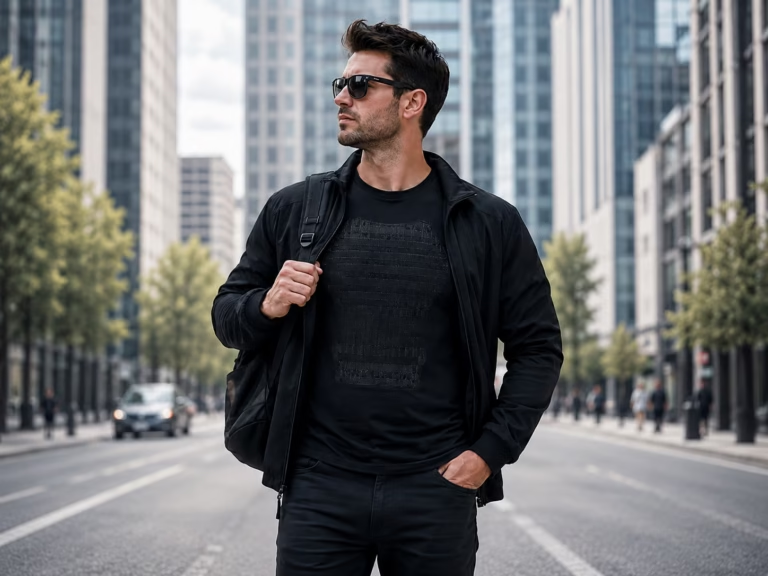
Modern cut resistant clothing is designed to help reduce injuries caused by cuts, abrasions, and certain sharp object related threats while remaining lightweight and comfortable enough for daily wear.
But many people still wonder:
How does cut resistant clothing actually work?
The answer comes down to advanced materials, layered construction, and engineered fabric systems designed to improve durability and force resistance without making the clothing bulky or restrictive.
What Is Cut Resistant Clothing?
Cut resistant clothing refers to apparel made with specially engineered materials designed to help resist cutting or slashing forces.
Unlike ordinary fabric, protective materials are developed to improve strength, durability, and resistance against sharp edges.
Modern protective apparel may include:
-
Cut resistant shirts
-
Protective undershirts
-
Lightweight protective vests
-
Reinforced outerwear
-
Stab resistant clothing
These garments are increasingly designed for everyday wear rather than purely tactical environments.
How Protective Fabrics Resist Cuts
Traditional fabrics can tear easily when exposed to sharp edges.
Cut resistant fabrics work differently.
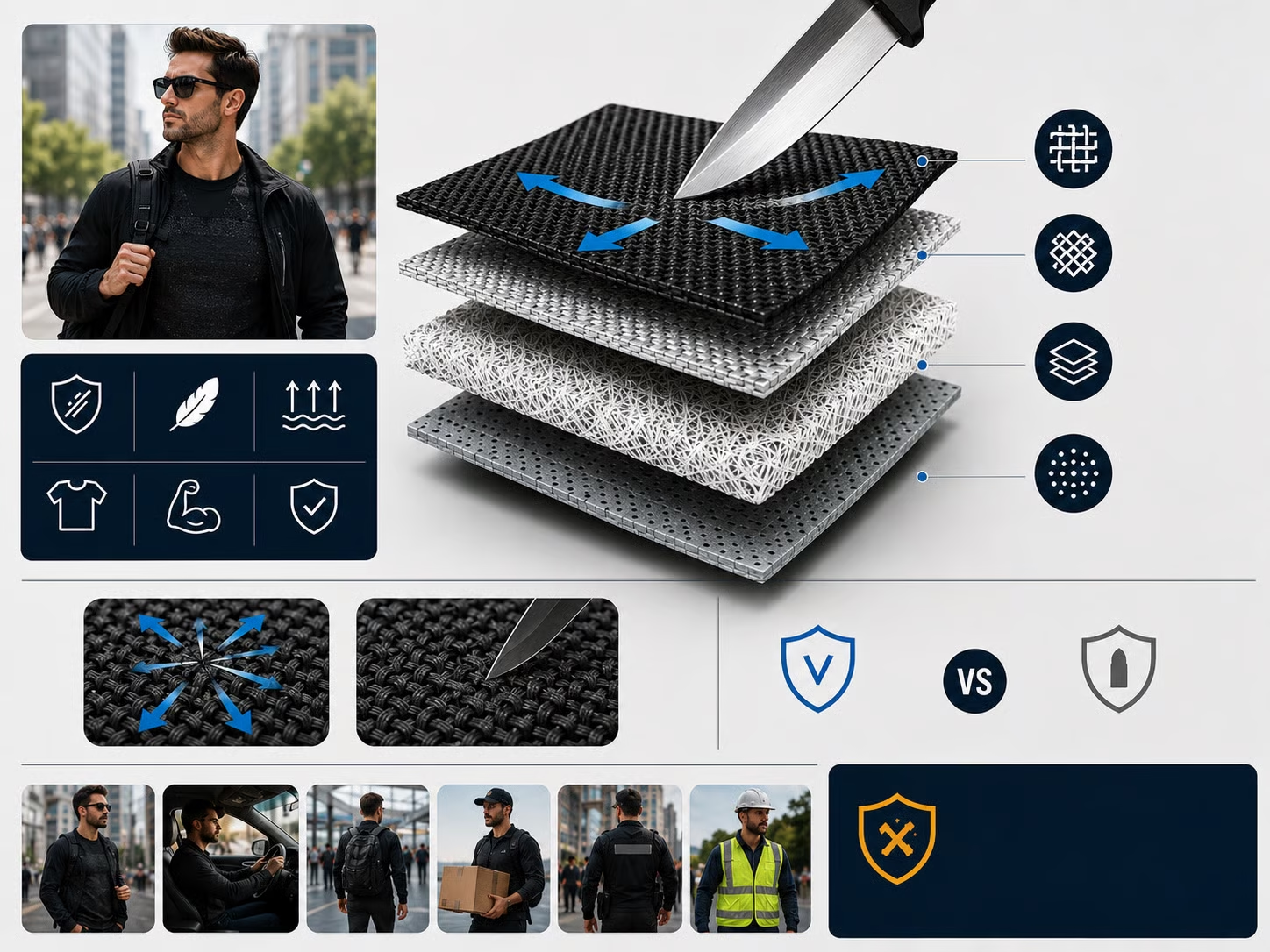
Instead of breaking immediately under pressure, advanced protective fibers are designed to help distribute force across the material surface.
This helps reduce direct penetration and tearing.
Many modern protective fabrics use:
-
High performance synthetic fibers
-
Reinforced woven structures
-
Multi directional fiber systems
-
Dense layered construction
The combination of these elements improves overall resistance and durability.
The Importance Of Layered Construction
Modern protective clothing usually relies on multiple layers rather than a single fabric.
Each layer serves a different purpose.
A typical modern protective system may include:
Outer Layer
The outer layer helps provide durability, abrasion resistance, and structural support.
It is often designed to withstand daily friction and environmental wear.
Protective Fiber Layer
This is the core protective section.
Advanced fibers are arranged to help reduce cutting and puncture related penetration while maintaining flexibility.
Shock Absorption Layer
Some garments include additional layers designed to help disperse force and reduce concentrated pressure.
This helps improve comfort and impact management.
Comfort Lining
The inner layer focuses on breathability and long term wearability.
Modern protective apparel increasingly prioritizes comfort so users can wear the product naturally throughout the day.
Why Modern Protective Clothing Feels Lighter
Older protective systems were often heavy and restrictive.
Modern protective apparel is designed differently.
Advances in engineered fibers allow many protective garments to remain:
-
Lightweight
-
Flexible
-
Breathable
-
More wearable for extended use
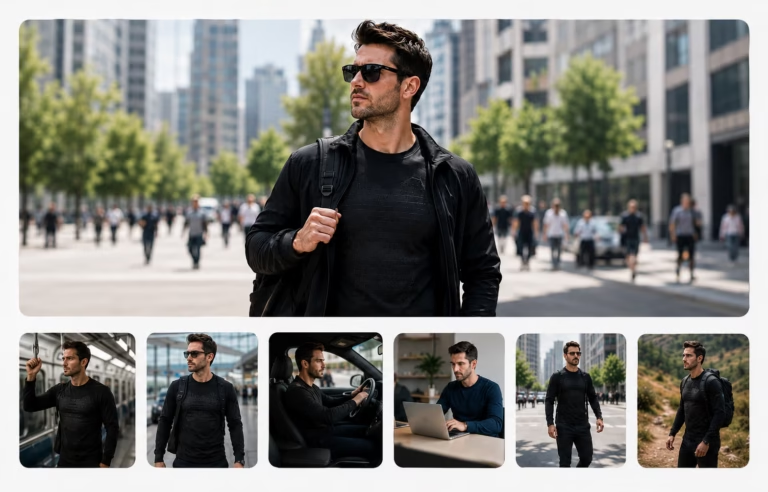
This is one reason why modern cut resistant clothing is becoming more common for commuting, travel, work, and everyday life.
Is Cut Resistant Clothing The Same As Bulletproof Armor?
No.
Cut resistant clothing is not the same as bulletproof armor.
These products are designed for different purposes.
Bullet resistant armor is built specifically to help stop ballistic threats.
Cut resistant clothing is designed to improve resistance against cuts, abrasions, and certain sharp object related threats while remaining more flexible and comfortable for everyday wear.
Understanding this difference is important when choosing protective apparel.
Why Discreet Protection Is Growing In Popularity
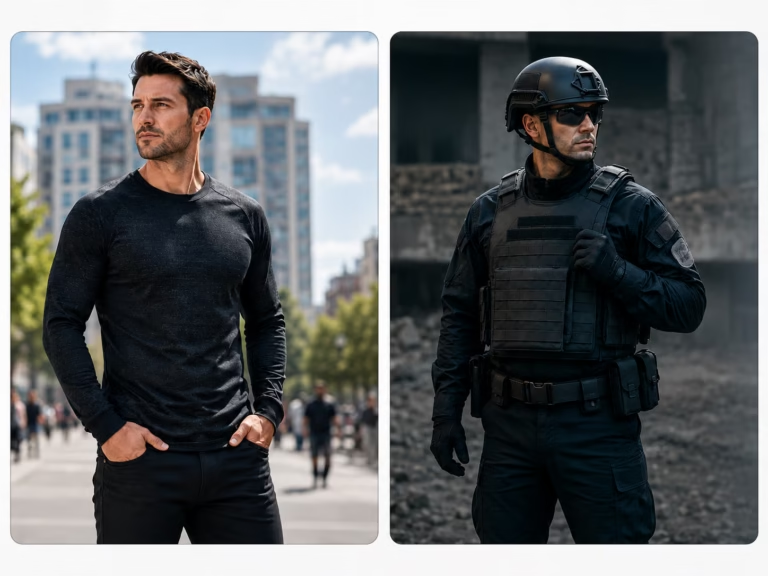
Traditional tactical gear is often bulky and highly visible.
Modern protective clothing focuses on discretion and everyday usability.
Many modern products are intentionally designed to resemble normal clothing such as:
-
T shirts
-
Undershirts
-
Lightweight vests
-
Casual outerwear
This allows users to maintain a more natural appearance while still benefiting from additional protection.
Who Uses Cut Resistant Clothing?
Today, modern protective apparel is used by many different types of people, including:
-
Security professionals
-
Daily commuters
-
Travelers
-
Delivery workers
-
Outdoor workers
-
Urban professionals
For many users, the goal is not tactical appearance.
It is everyday confidence and peace of mind.
The Future Of Protective Clothing
Protective clothing continues to evolve as materials become lighter, stronger, and more flexible.
Modern consumers increasingly want products that combine:
-
Protection
-
Comfort
-
Breathability
-
Mobility
-
Everyday style
This shift is helping transform protective apparel from specialized tactical equipment into wearable everyday protection.
Brands like InvisArmor focus on this modern approach by designing discreet protective clothing built for real world daily life.
Final Thoughts
Modern cut resistant clothing works by combining advanced fibers, layered construction, and engineered protective systems into wearable everyday apparel.
Instead of relying on bulky tactical armor, many modern garments now focus on balancing protection with comfort, flexibility, and discreet appearance.
As protective materials continue to improve, everyday protective clothing is becoming lighter, more comfortable, and more practical than ever before.
Everyday Protective Clothing: What It Is and Why More People Are Wearing It
Cut Resistant Clothing vs Traditional Body Armor: What’s the Difference?